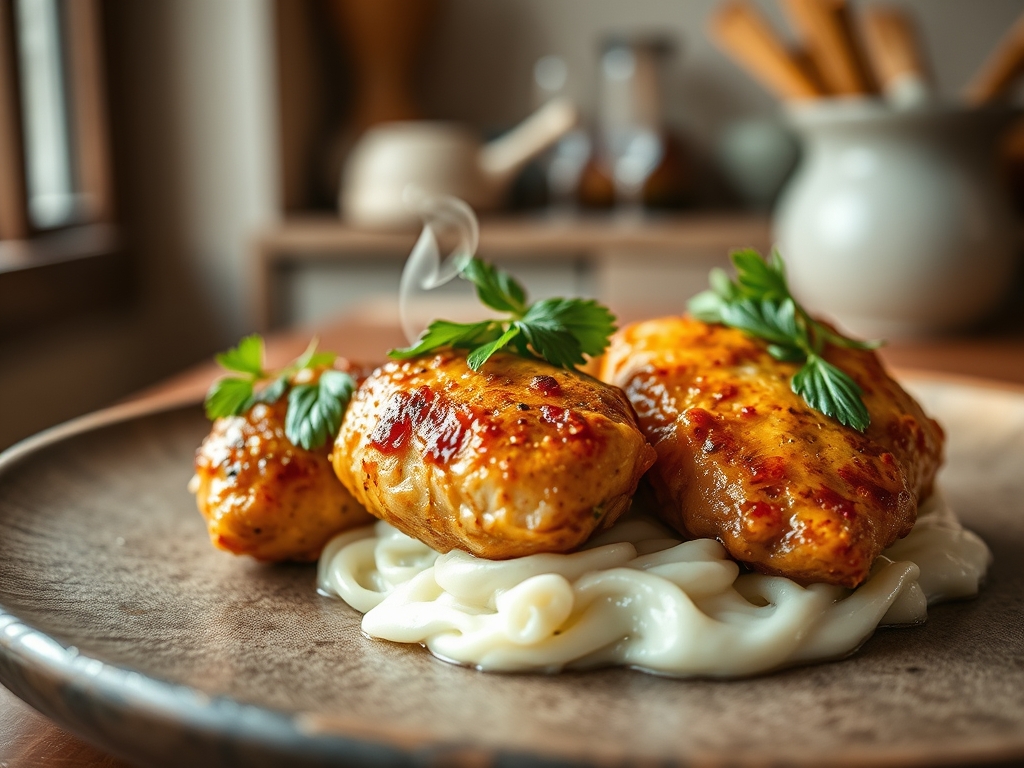
Close your eyes and listen for that distinctive, aggressive sizzle as cold protein hits a screaming hot cast iron surface. That sound is the beginning of the Maillard reaction; it is the chemical transformation where amino acids and sugars dance to create that iconic, crusty bark. If you are hunting for the ultimate cajun chicken recipes, you have officially found the motherlode. We are talking about deep, smoky heat that lingers on the palate without bruising it. This is not just about dumping a spice jar onto a breast; it is about the architecture of flavor, the balance of the holy trinity, and the science of the sear.
Cajun cuisine is the soulful intersection of French technique and rustic Acadian necessity. When we talk about cajun chicken recipes, we are looking for a specific textural contrast: a charred, piquant exterior giving way to a succulent, moisture-locked interior. To achieve this, we have to respect the chemistry of the ingredients. From the capsaicin in the cayenne to the sulfurous depth of the garlic, every element plays a role in building a complex profile that is far more than just spicy. It is a bold, unapologetic celebration of the bayou.
The Gathers:
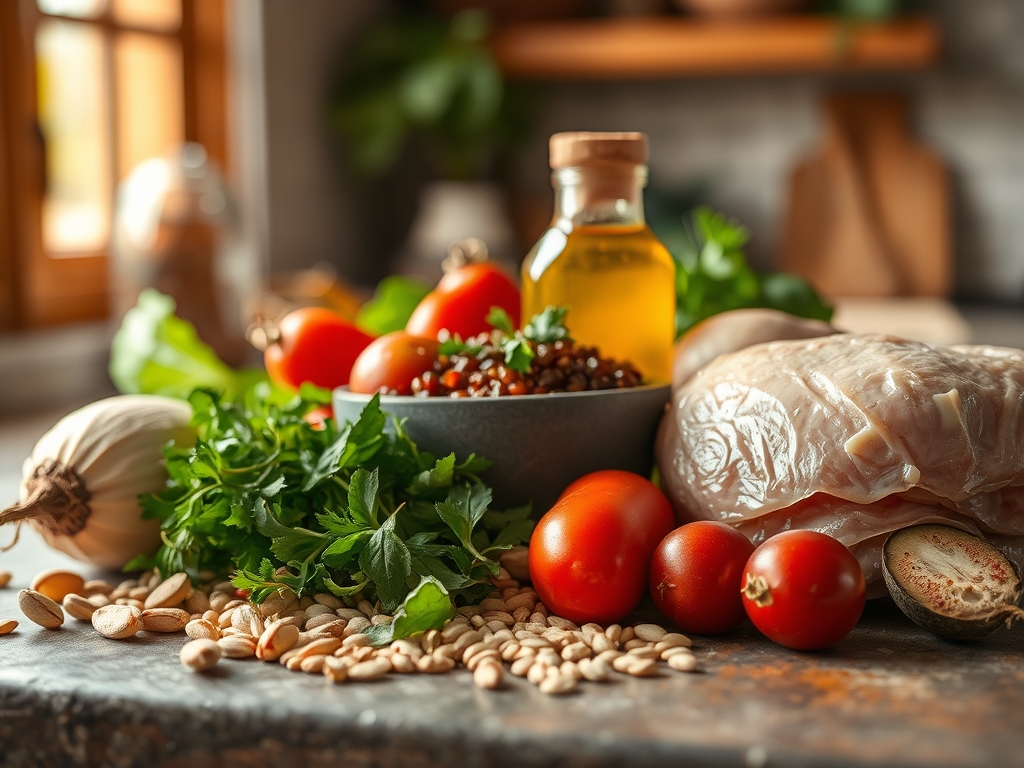
Before we ignite the burners, we need to curate our mise-en-place with surgical precision. Start with high-quality chicken thighs or breasts; I prefer thighs for their higher lipid content, which ensures a more viscous mouthfeel and better flavor retention. You will need a heavy-bottomed skillet, preferably seasoned cast iron, to manage the high thermal mass required for a proper blackening. Grab your digital scale to measure out your spices; precision here prevents one note from overpowering the symphony.
Your spice arsenal must include smoked paprika for color and depth, cayenne for the heat, and dried oregano and thyme for that earthy, herbaceous backbone. Do not forget the aromatics: finely minced garlic and the "Holy Trinity" of onion, celery, and green bell pepper. If you want to elevate the dish, use a microplane to zest a bit of lemon over the finished product to cut through the richness.
Smart Substitutions:
If you are looking to lighten the load, replace the traditional butter with avocado oil; it has a high smoke point of 520 degrees Fahrenheit, making it ideal for high-heat searing. For a nightshade-free version, swap the cayenne for a generous amount of cracked black pepper and a touch of horseradish for a different kind of "bite." If you lack fresh aromatics, a high-quality granulated garlic and onion powder will suffice, though you will lose the structural integrity that fresh vegetables provide to the pan sauce.
The Clock:
Efficiency in the kitchen is all about the "Chef's Flow." For these cajun chicken recipes, expect a prep time of 15 minutes and a cook time of 20 minutes. The secret is the "rest period." You must factor in at least 5 to 10 minutes of resting time after the chicken leaves the heat. This allows the muscle fibers to relax and reabsorb the juices that were pushed to the center during the intense heat of the cook. Without this pause, your hard-earned moisture will simply spill out onto the cutting board.
The Masterclass:
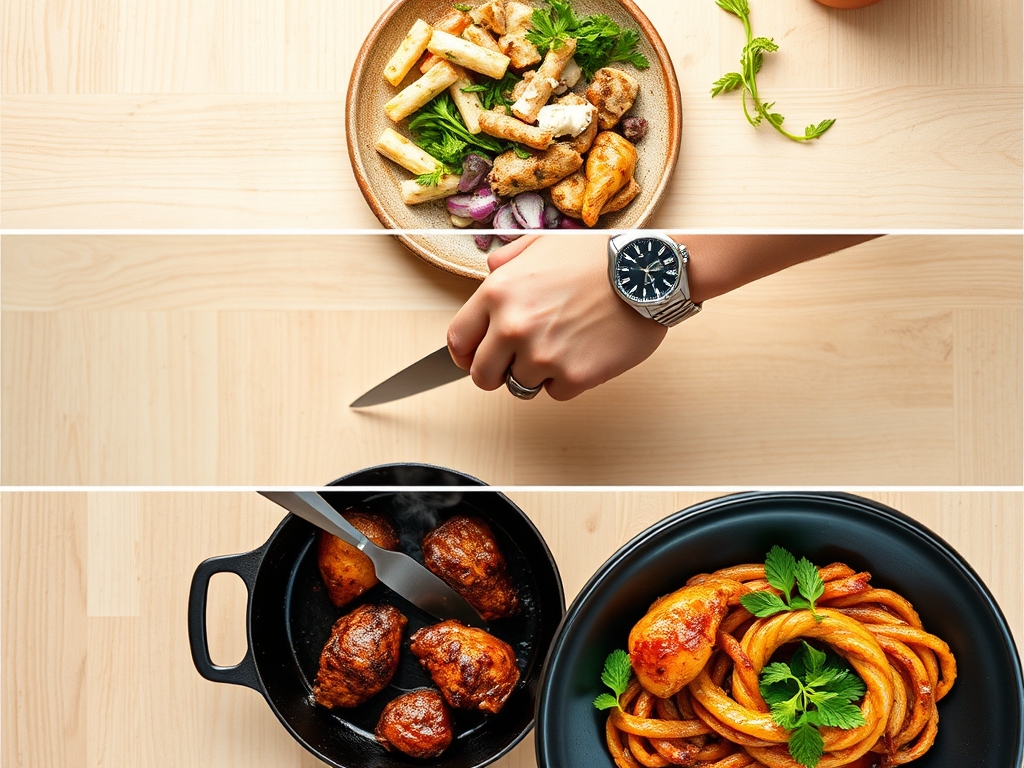
1. The Dry Brine and Season
Coat your chicken liberally with the spice blend and a generous pinch of kosher salt. Let it sit at room temperature for at least 20 minutes.
Pro Tip: This process uses osmosis to draw moisture out, dissolve the salt, and then pull that seasoned brine back into the protein cells, seasoning the meat all the way to the bone rather than just on the surface.
2. The High-Heat Sear
Heat your heavy-bottomed skillet until the oil just begins to reach its smoke point. Lay the chicken away from you to avoid oil splatter.
Pro Tip: This stage triggers enzymatic browning. Do not crowd the pan; crowding drops the surface temperature and causes the chicken to steam in its own juices rather than sear, resulting in a rubbery texture.
3. The Trinity Deglaze
Once the chicken is browned, remove it and toss in your minced trinity (onion, celery, pepper). Use a wooden spoon or bench scraper to lift the "fond" from the bottom of the pan.
Pro Tip: Deglazing with a splash of chicken stock or white wine captures the caramelized proteins (the fond) and incorporates them into a savory base, ensuring no flavor is wasted.
4. The Gentle Finish
Return the chicken to the pan, lower the heat, and cover. Use a digital thermometer to pull the chicken when it hits 160 degrees Fahrenheit.
Pro Tip: Thermal carryover will continue to cook the meat after it is removed from the heat. Pulling it at 160 ensures it reaches the safe 165 mark while resting, preventing the protein from becoming stringy and dry.
The Deep Dive:
When we look at the macro nutrition of these cajun chicken recipes, we see a powerhouse of lean protein. A standard serving offers roughly 35 grams of protein with minimal carbohydrates, depending on your choice of side. To make this Keto-friendly, lean into the fats by finishing the sauce with a pat of cold grass-fed butter to create a silky emulsion. For a Vegan twist, the spice blend works beautifully on oyster mushrooms or thick slabs of cauliflower, which mimic the fibrous texture of poultry.
The Fix-It:
If your spices are burning before the chicken is cooked, your pan is too hot; move the skillet off the heat immediately and add a splash of oil to cool the surface. If the chicken is "tough," you likely skipped the rest period or overcooked it; next time, use a digital scale to ensure even thickness by pounding the meat flat before seasoning. If the flavor is "flat," you need more acid; a squeeze of lime or a teaspoon of apple cider vinegar will brighten the heavy spices instantly.
Meal Prep:
For day-one quality on day three, avoid the microwave. Reheat your chicken in a saucier over low heat with a tablespoon of water or stock. This creates a small steam chamber that rehydrates the fibers without overcooking the exterior.
The Wrap-Up:
Mastering cajun chicken recipes is a rite of passage for any home cook looking to add some serious soul to their repertoire. It is a balance of high-heat bravery and technical finesse. By understanding the science of the sear and the importance of the rest, you are not just making dinner; you are crafting an experience. Now, grab those tongs and get that skillet screaming!
The Kitchen Table:
How do I prevent my Cajun spices from burning?
Use an oil with a high smoke point like avocado or grapeseed oil. If the spices darken too quickly, reduce the heat and add a splash of liquid to deglaze the pan and lower the surface temperature immediately.
Can I make these recipes in an Air Fryer?
Yes. Preheat the air fryer to 400 degrees Fahrenheit. Lightly spray the seasoned chicken with oil to facilitate the Maillard reaction. Cook for 12 to 15 minutes, flipping halfway through, until the internal temperature reaches 160 degrees.
What is the best way to store leftovers?
Store in an airtight glass container for up to four days. To maintain texture, avoid plastic containers which can trap steam and make the blackened crust soggy. Reheat gently on the stovetop to preserve the moisture.
Why is my chicken dry even if I followed the recipe?
You likely skipped the resting phase. Resting allows the internal juices to redistribute. Additionally, ensure you are using a digital thermometer; even two minutes of overcooking can turn a succulent breast into a dry, stringy mess.