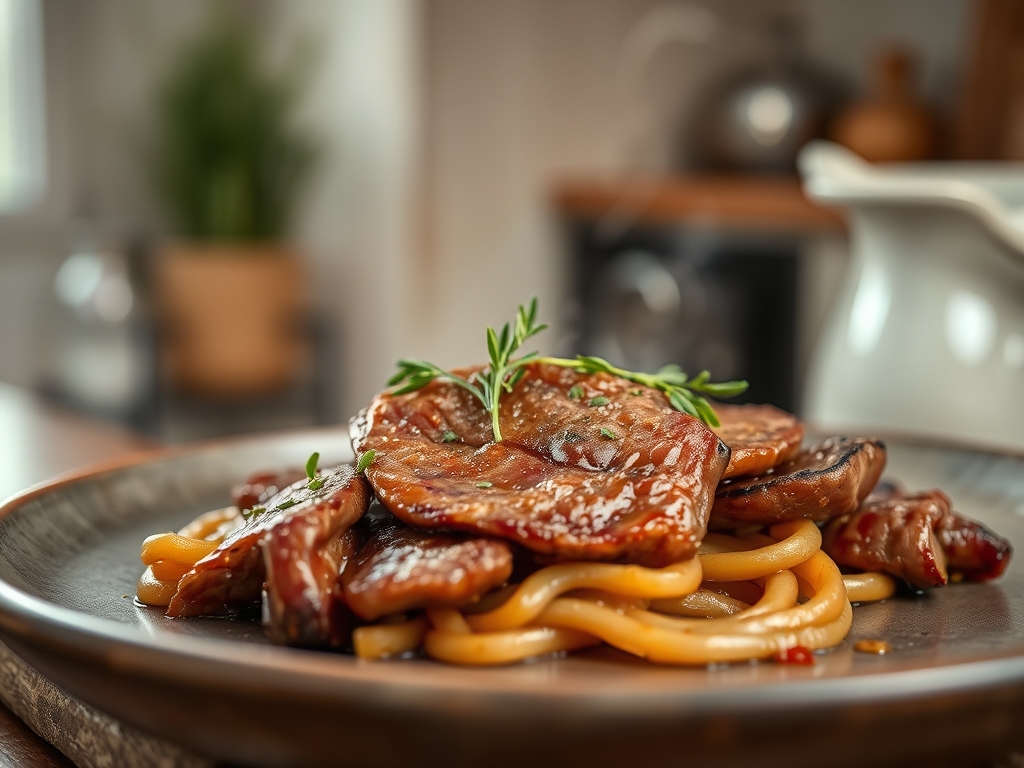
Picture the sizzle of a heavy-bottomed skillet meeting a lean cut of top sirloin. The aroma is instant; it is the scent of amino acids and reducing sugars dancing in the Maillard reaction. You want that deep, savory satisfaction without the heavy caloric load. Finding low fat beef recipes that actually taste like a luxury indulgence is the ultimate culinary holy grail. We are moving past the days of dry, gray meat and into a world where moisture is managed through science.
Modern gastronomy teaches us that fat is a flavor carrier, but it is not the only one. By leveraging high-moisture aromatics and precise thermal control, we can create dishes that feel decadent while remaining incredibly lean. Whether you are craving a piquant Thai beef salad or a robust balsamic-glazed medallion, the secret lies in the preparation. We are going to treat these lean proteins with the respect they deserve; ensuring every bite is tender, juicy, and packed with micronutrients like zinc and B12. Grab your apron and your favorite tongs. We are about to redefine what healthy beef looks like in your kitchen.
The Gathers:
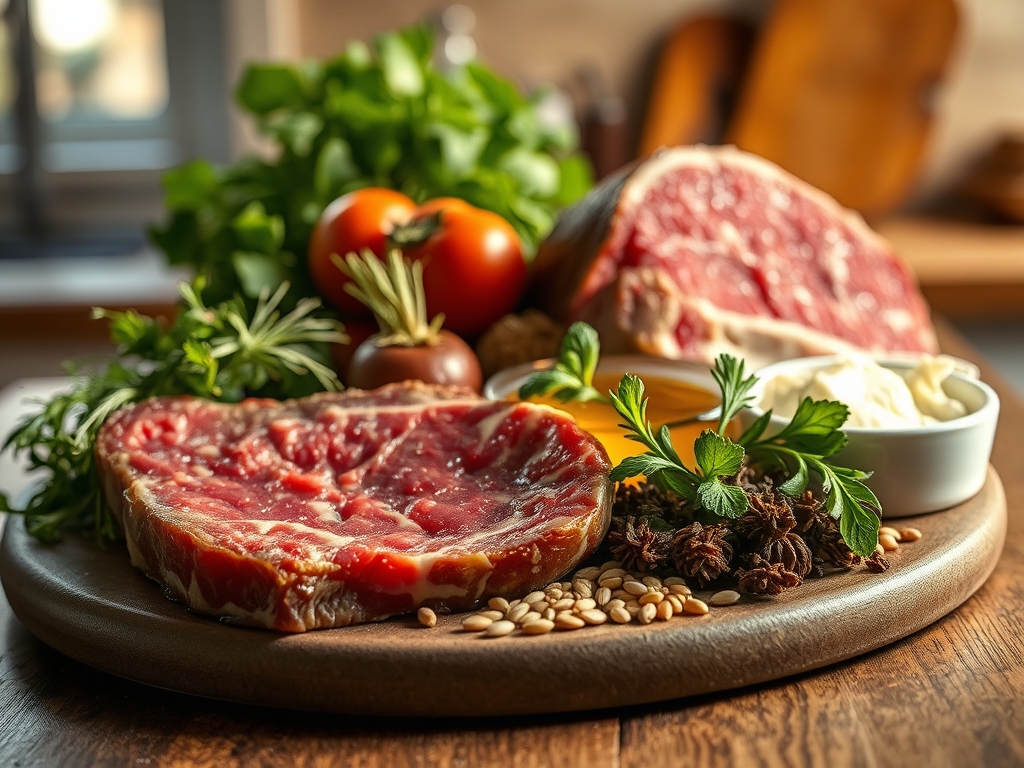
To master low fat beef recipes, your mise-en-place must be impeccable. We start with the star of the show: lean cuts. Look for "Select" or "Choice" grades of eye of round, top round, or flank steak. These cuts have a lower intramuscular lipid profile compared to highly marbled "Prime" cuts. You will need a digital scale to ensure portion accuracy; aim for four to five ounces per serving to keep macros in check.
Next, gather your flavor enhancers. We are using high-acid liquids like rice vinegar and lemon juice to denature proteins and tenderize the meat. For "Smart Substitutions," swap heavy oils for a high-quality beef bone broth to deglaze your pan. This adds a viscous mouthfeel without the saturated fat. Instead of butter, use a microplane to zest fresh ginger or garlic directly into your saucier; this releases essential oils for a piquant punch. Use a bench scraper to organize your finely diced mirepoix; carrots, celery, and onions provide the foundational sweetness that balances the earthy notes of the beef.
The Clock
Efficiency in the kitchen is about "Chef's Flow." This is the art of overlapping tasks so that no heat is wasted. For these nine variations, your active prep time will average twenty minutes, with cook times ranging from six to fifteen minutes. The goal is a total "table time" of under thirty-five minutes.
Begin by tempering your meat; let it sit at room temperature for fifteen minutes. This prevents "thermal shock," which causes muscle fibers to contract violently and squeeze out precious juices. While the meat tempers, use your chef's knife to prep all vegetables. By the time your skillet is screaming hot, your ingredients are staged and ready. This flow ensures that the beef spends the minimum amount of time under direct heat, preserving its delicate cellular structure.
The Masterclass
1. The Sear and Deglaze
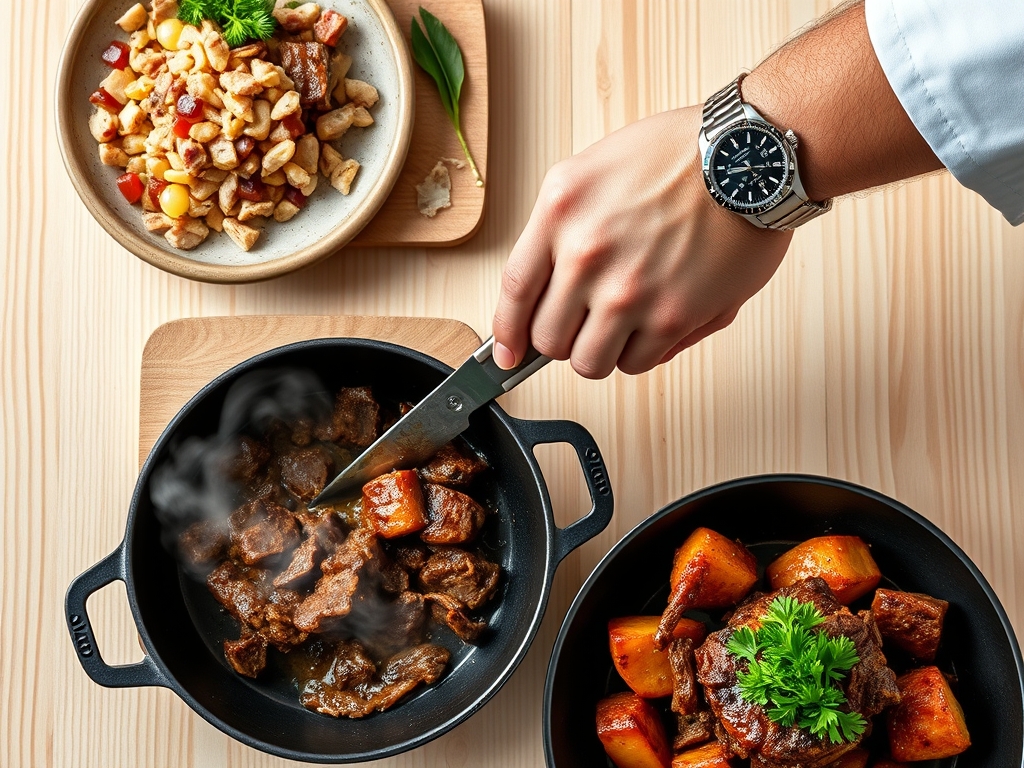
Place your lean beef in a preheated heavy-bottomed skillet. Do not crowd the pan; overcrowding drops the surface temperature and leads to steaming rather than searing. Once a crust forms, remove the meat and immediately pour in a splash of red wine or broth. Use a wooden spoon to scrape up the browned bits, known as the fond.
Pro Tip: This process is called deglazing. The fond contains concentrated flavor molecules created by the Maillard reaction. Incorporating these back into a sauce allows you to achieve "fatty" flavor profiles using zero-fat liquids.
2. The Acid Infusion
For dishes like beef stir-fry or salad, toss your sliced beef in a mixture of lime juice and low-sodium soy sauce. The acid acts as a chemical "cook," breaking down tough connective tissues before the meat even hits the heat.
Pro Tip: This is enzymatic tenderization. The acid weakens the protein bonds, allowing moisture to be trapped within the fibers during the rapid heating process, preventing the "leathery" texture common in low-fat cooking.
3. The Gentle Rest
Once the beef reaches an internal temperature of 130 degrees Fahrenheit for medium-rare, remove it from the heat. Place it on a warm plate and tent it loosely with foil. Let it rest for at least five to seven minutes before slicing.
Pro Tip: This accounts for thermal carryover. The internal temperature will rise another five degrees while resting. More importantly, resting allows the muscle fibers to relax and reabsorb the juices that were pushed to the center during cooking.
The Deep Dive
When we look at the macro nutrition of these low fat beef recipes, we are aiming for a profile of roughly 30 grams of protein and less than 8 grams of fat per serving. This makes beef a powerhouse for muscle synthesis and satiety. For those with dietary restrictions, these recipes are easily adaptable. Vegan Swaps can be made using thick-cut portobello mushrooms or seitan, which mimic the umami depth of beef. For Keto followers, simply ensure your deglazing liquids are sugar-free. Gluten-Free diners should swap soy sauce for liquid aminos or tamari.
Every chef hits a snag occasionally. Here is "The Fix-It" for common pitfalls:
- The Meat is Tough: You likely sliced with the grain. Always slice perpendicular to the muscle fibers to shorten them, making the meat easier to chew.
- The Sauce is Watery: Use a cornstarch slurry or a reduction technique. Simmer the sauce until it coats the back of a spoon; this increases viscosity through evaporation.
- The Beef is Gray, Not Brown: Your pan wasn't hot enough or was too crowded. Pat the meat dry with paper towels before searing to remove surface moisture that causes steaming.
For meal prep, reheating is a science. Avoid the microwave, which vibrates water molecules and toughens protein. Instead, reheat your beef in a covered skillet over low heat with a tablespoon of broth to create a steam-chamber, maintaining "day-one" tenderness.
The Wrap-Up
Mastering low fat beef recipes is about reclaiming the joy of red meat without the nutritional compromise. By focusing on the chemistry of the sear and the precision of the rest, you can transform humble, lean cuts into five-star meals. Remember, you are the scientist in this lab; use your tools, trust your senses, and don't be afraid to turn up the heat. Now, go forth and cook something spectacular!
The Kitchen Table
Which beef cuts are lowest in fat?
Eye of round, top round, and bottom round are the leanest options. Look for "Select" grades with minimal visible white marbling. Flank steak and sirloin tip side steaks are also excellent high-protein, low-fat choices for quick searing.
How do I make lean beef tender?
Always slice against the grain to break up tough fibers. Utilize acidic marinades like citrus or vinegar for thirty minutes before cooking. Finally, never skip the resting phase, which allows the meat to reabsorb essential juices.
Can I cook lean beef in a slow cooker?
Yes, but use plenty of liquid. Lean cuts lack the fat to stay moist under long heat, so "braising" in broth or tomato sauce is essential. Keep the temperature on "low" to prevent the proteins from becoming stringy.
What is the best way to sear beef without oil?
Use a high-quality non-stick or well-seasoned cast iron skillet. Get the pan extremely hot before adding the meat. You can also use a light mist of avocado oil spray, which has a high smoke point and negligible fat content.