
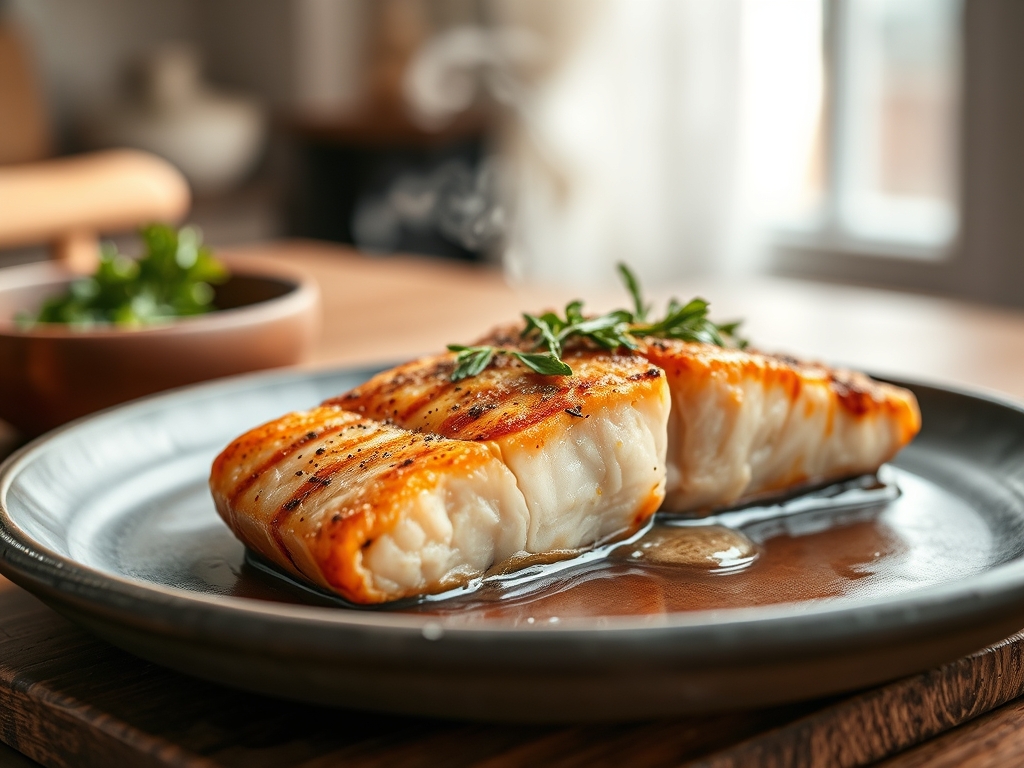
Picture this: a kitchen filled with the scent of bright citrus, cracked peppercorns, and the savory promise of melting fats. You are standing over a beautiful fillet of fish, wondering how to transform it into a restaurant-quality masterpiece without the stress of a professional line cook. If you have been hunting for the best oven roasted salmon recipes, you have likely encountered dry, chalky results that lack that signature buttery interior. The secret is not just in the seasoning; it is in the molecular dance between heat and protein. We are going to master the art of the perfect roast by understanding exactly how heat moves through flesh. By the end of this guide, you will be able to produce a fillet so tender it flakes at the mere suggestion of a fork, all while maintaining a crisp, seasoned crust that provides the ultimate textural contrast. We are moving beyond basic baking and into the realm of precision cookery, where every degree counts and every ingredient serves a functional purpose in the final flavor profile.
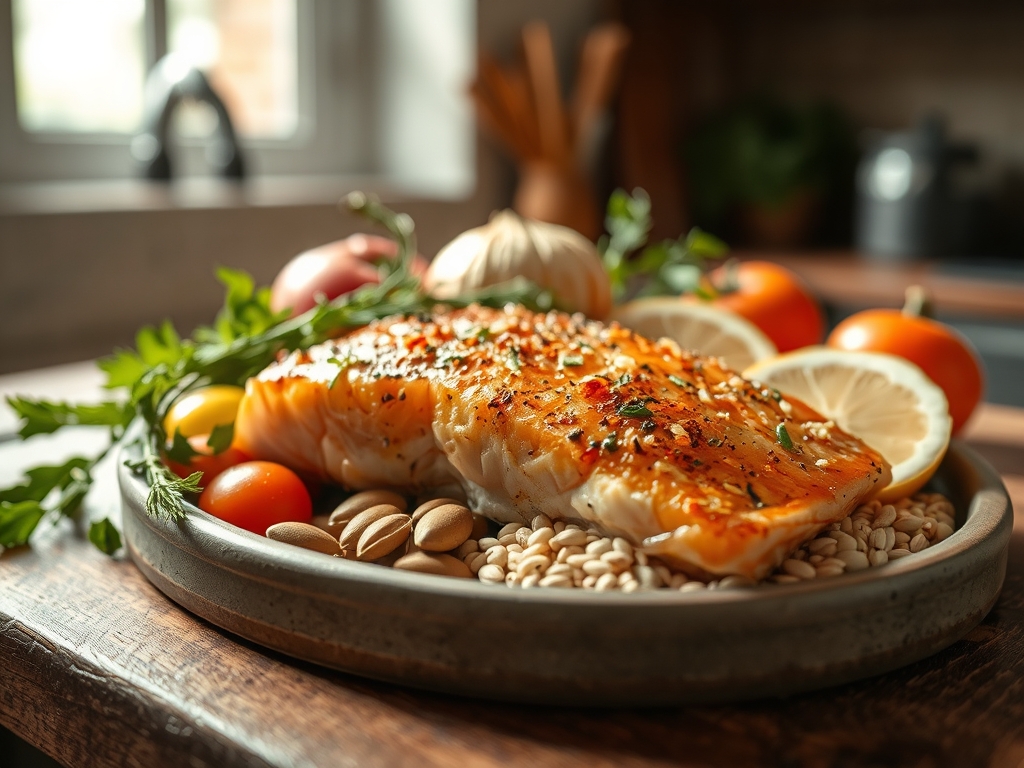
The Gathers:
To achieve a superior result, your mise-en-place must be intentional. Start with a center-cut Atlantic or King salmon fillet; these cuts offer a uniform thickness that ensures even thermal distribution. You will need a high-smoke-point fat like avocado oil or clarified butter to facilitate heat transfer without scorching. For the aromatics, gather fresh dill, garlic cloves, and a bright lemon. Use a microplane to zest the citrus, capturing the volatile oils without the bitter white pith.
You will also need coarse kosher salt and freshly cracked black pepper. The large grains of kosher salt are essential for controlled seasoning; they do not dissolve instantly, allowing you to see exactly where the salt has landed. If you are looking for smart substitutions, try swapping the lemon for lime or grapefruit to alter the acidity profile. If you lack fresh herbs, a high-quality dried oregano can work, but remember that dried herbs are more concentrated and require a fat-soluble environment to fully infuse their flavors. Always use a digital scale to weigh your portions if you are aiming for nutritional precision; a standard six-ounce serving is the gold standard for individual plating.
The Clock:
Efficiency in the kitchen is about "Chef's Flow," which is the ability to overlap tasks to minimize downtime. Your total preparation time should be no more than ten minutes. This includes patting the fish dry, seasoning, and preparing your roasting pan. The actual cook time ranges from twelve to fifteen minutes depending on the thickness of the fillet and your desired level of doneness.
However, the most critical part of the clock is the resting period. Do not skip the five-minute rest after the fish leaves the oven. During this time, the internal temperature will continue to rise slightly through thermal carryover, and the juices will redistribute throughout the muscle fibers. If you cut into the fish immediately, those precious juices will end up on your cutting board rather than in your mouth. Total time from fridge to table is roughly twenty-five minutes, making this a powerhouse for busy weeknights.
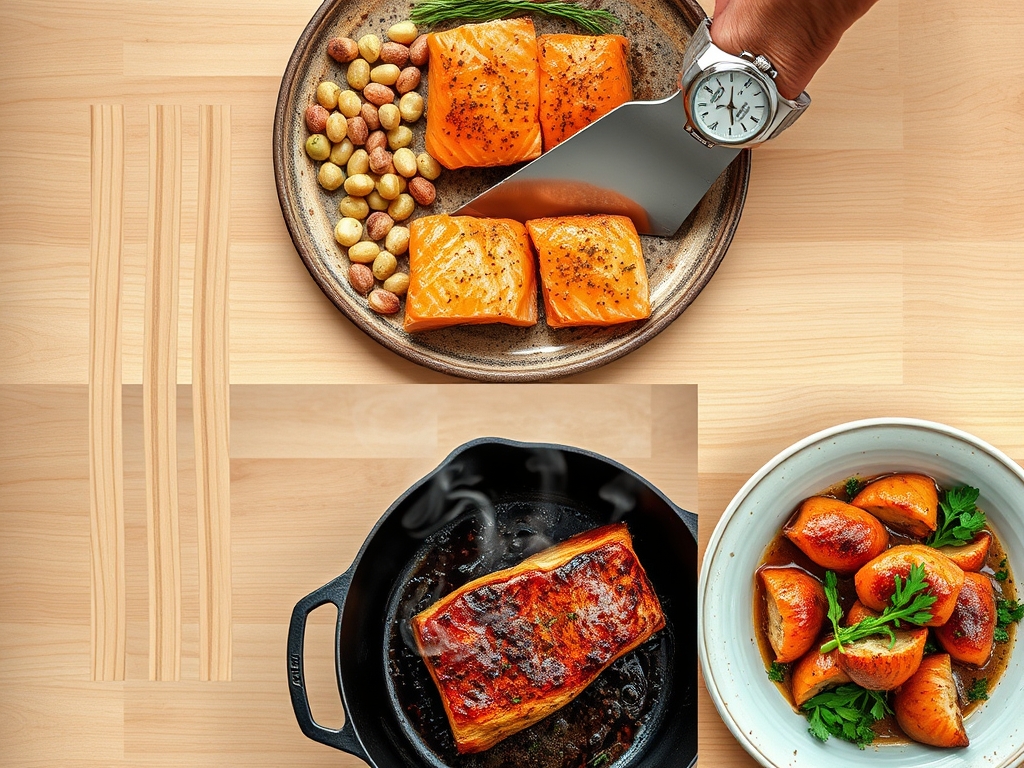
1. Temper the Protein
Remove your salmon from the refrigerator twenty minutes before cooking. Bringing the fish closer to room temperature prevents the "cold core" phenomenon, where the outside overcooks before the center reaches safety.
Pro Tip: This reduces the thermal shock when the fish hits the heat, ensuring the albumin (the white protein that sometimes leaks out) stays inside the muscle fibers.
2. Desiccate the Surface
Use a paper towel to aggressively pat the skin and flesh dry. Moisture is the enemy of the Maillard reaction. If the surface is wet, the oven's energy goes into evaporating water rather than browning the fish.
Pro Tip: A dry surface allows for better adhesion of fats and spices, creating a viscous barrier that traps moisture inside.
3. Precision Seasoning
Apply your salt from at least twelve inches above the fillet. This height allows for an even dispersal of grains, preventing "salty hotspots." Follow with your zest and cracked pepper.
Pro Tip: Salt acts as a denaturant, beginning to break down the protein structures on the surface, which leads to a more tender bite after roasting.
4. The Fat Barrier
Coat the fillet in a thin layer of oil using a silicone brush or your hands. Ensure every millimeter of the surface is covered. This oil acts as a heat conductor, moving the oven's convection air directly into the flesh.
Pro Tip: Fat is a flavor carrier; it captures the aromatic compounds from your herbs and delivers them to your taste buds more effectively than water-based liquids.
5. High-Heat Roasting
Slide your prepared pan into a preheated 425-degree oven. Use a heavy-bottomed sheet pan or a heavy-bottomed skillet to ensure the base of the fish receives consistent conductive heat.
Pro Tip: High heat causes the natural sugars in the fish to caramelize quickly, creating a piquant and complex flavor profile before the interior can dry out.
6. Aromatics and Infusion
Halfway through the cooking process, add your fresh herbs and garlic slices to the pan. If using a skillet, you can use tongs to baste the fish with the rendered fats and juices accumulating at the bottom.
Pro Tip: Adding garlic too early can lead to burning and bitterness; adding it midway allows the oils to aerate and scent the fish without scorching.
7. The Internal Check
Use a digital thermometer to check the thickest part of the fillet. For a medium-rare finish, pull the salmon at 125 degrees. For medium, wait until 135 degrees.
Pro Tip: Remember the law of thermal carryover; the internal temperature will rise by about 5 degrees while the fish rests on the counter.
8. The Final Acid Hit
Once the fish is out of the oven and resting, squeeze fresh lemon juice over the top. Use a saucier to drizzle any remaining pan drippings back over the fillet for an extra punch of flavor.
Pro Tip: Acidity cuts through the rich, fatty acids of the salmon, brightening the entire dish and balancing the savory notes.
The Deep Dive:
Salmon is a nutritional powerhouse, boasting high levels of Omega-3 fatty acids, which are essential for brain health and reducing inflammation. A standard portion contains roughly 35 grams of protein and zero carbohydrates, making it a staple for Keto and Paleo lifestyles. For a vegan alternative, you can apply these same roasting techniques to thick slabs of cauliflower or "tofu steaks," though the cook times will vary significantly.
If you encounter pitfalls, do not panic. If your salmon is "leaking" white goop, that is just albumin; it means the heat was a bit too high or the fish was cooked a minute too long. To fix a dry fillet, flake the meat and toss it with a quick emulsion of olive oil and lemon. If the skin is soggy, ensure you are using a preheated pan next time to jumpstart the rendering of the subcutaneous fat. For meal prep, reheat your salmon in a low-temperature oven (275 degrees) with a splash of water covered in foil. This creates a steam chamber that prevents the protein from becoming rubbery.
The Wrap-Up:
You now hold the keys to the kingdom of perfectly roasted fish. By focusing on surface desiccation, precise temperature control, and the magic of thermal carryover, you have elevated your kitchen game to a professional level. These best oven roasted salmon recipes are not just about the ingredients; they are about the technique and the love you put into the process. Now, grab your tongs, preheat that oven, and get ready to impress everyone at the table with your culinary prowess.
The Kitchen Table:
How do I know when the salmon is done without a thermometer?
Press the top of the fillet gently with a fork or your finger. If the meat begins to flake along the natural white lines (the fat layers) and feels firm but slightly springy, it is ready to rest.
Can I roast salmon from frozen?
It is possible but not recommended for the best texture. Frozen salmon releases excess moisture as it thaws in the heat, which steams the fish rather than roasting it, resulting in a mushy consistency and lack of browning.
Why is my salmon skin sticking to the pan?
This usually happens if the pan was not hot enough or if the skin was still damp. Ensure the pan is preheated and use a bench scraper or thin spatula to gently lift the fish once it has fully seared.
What is the best way to store leftovers?
Place the cooled salmon in an airtight glass container. It will stay fresh in the refrigerator for up to three days. Avoid freezing cooked salmon, as the ice crystals will damage the delicate protein structure upon thawing.