
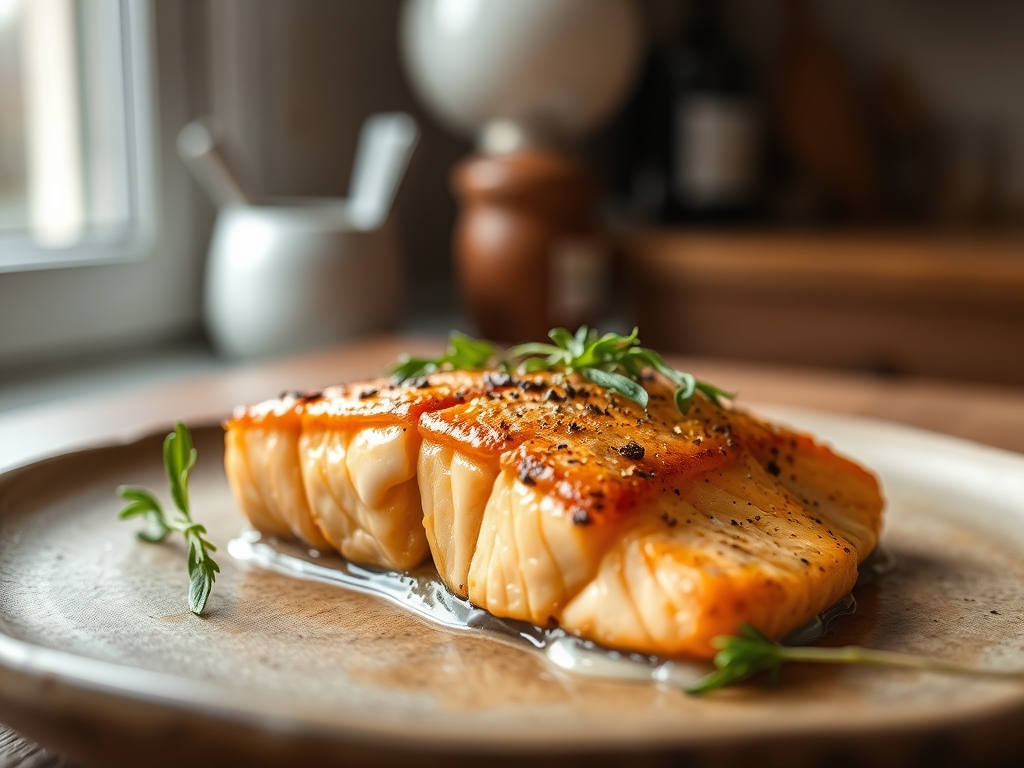
Picture the scene: your kitchen is filled with the scent of toasted citrus and woodsy rosemary while a vibrant pink fillet sizzles gently on a sheet pan. We have all been there, staring at a dry, chalky piece of fish and wondering where it all went wrong. Mastering healthy salmon recipes oven techniques is not just about heat; it is about managing moisture and fat. Salmon is a biological masterpiece of Omega-3 fatty acids and lean protein, but its delicate structure is prone to albumin extrusion, that white, unsightly protein "foam" that leaks out when the heat is too high. By understanding the molecular behavior of cold-water fish, we can transform a standard Tuesday night meal into a restaurant-quality experience. This guide is your roadmap to achieving that buttery, melt-in-your-mouth texture while keeping things incredibly nutritious. We are going to dive deep into the chemistry of the Maillard reaction and the physics of thermal carryover. Grab your favorite apron and let us get technical with our flavors.
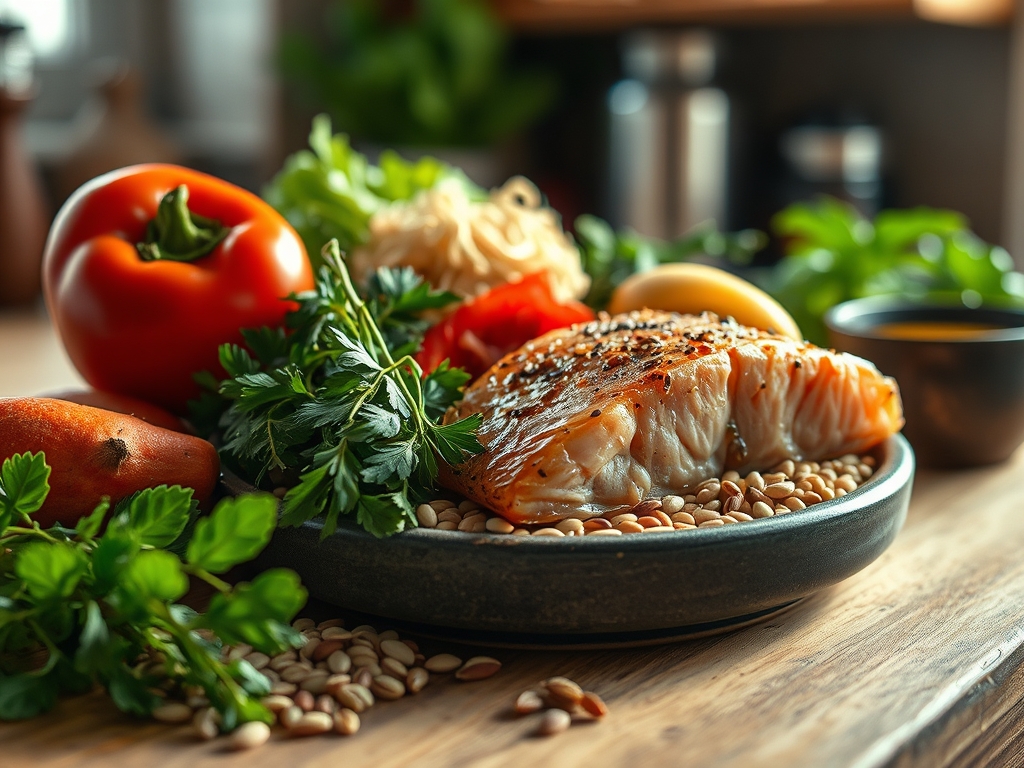
The Gathers:
To execute these healthy salmon recipes oven style, your mise-en-place must be precise. Start with a center-cut Atlantic or Sockeye fillet, preferably skin-on to act as a thermal barrier. You will need high-smoke-point fats like avocado oil or clarified butter to ensure the skin crisps without burning. For the aromatics, gather fresh sprigs of thyme, thinly sliced Meyer lemons, and smashed garlic cloves. Use a microplane to zest your citrus; this tool captures the essential oils in the flavedo without hitting the bitter white pith.
Smart Substitutions: If you are watching your sodium, swap traditional sea salt for a pinch of potassium-based salt or a heavy dusting of nutritional yeast to provide a savory, umami-rich profile. Instead of honey for a glaze, try a splash of pomegranate molasses. It provides a viscous texture and a piquant punch with a lower glycemic load. Always use a digital scale to measure your portions, ensuring even cooking times across all fillets.
The Clock:
The "Chef's Flow" is all about overlapping tasks to minimize idle time. Your total active prep time should be exactly 10 minutes, with a cook time ranging from 12 to 15 minutes depending on the thickness of the protein.
- Minutes 0-5: Preheat your oven to 425 degrees Fahrenheit and pat the fish bone-dry. Moisture is the enemy of the Maillard reaction.
- Minutes 5-10: Season and arrange your aromatics.
- Minutes 10-25: Roast. While the fish is in the oven, use a saucier to whisk together a light herb vinaigrette.
- Minutes 25-30: The crucial rest period.
By the time you have set the table and poured a glass of sparkling water, the fish will have reached its perfect internal temperature through residual heat.
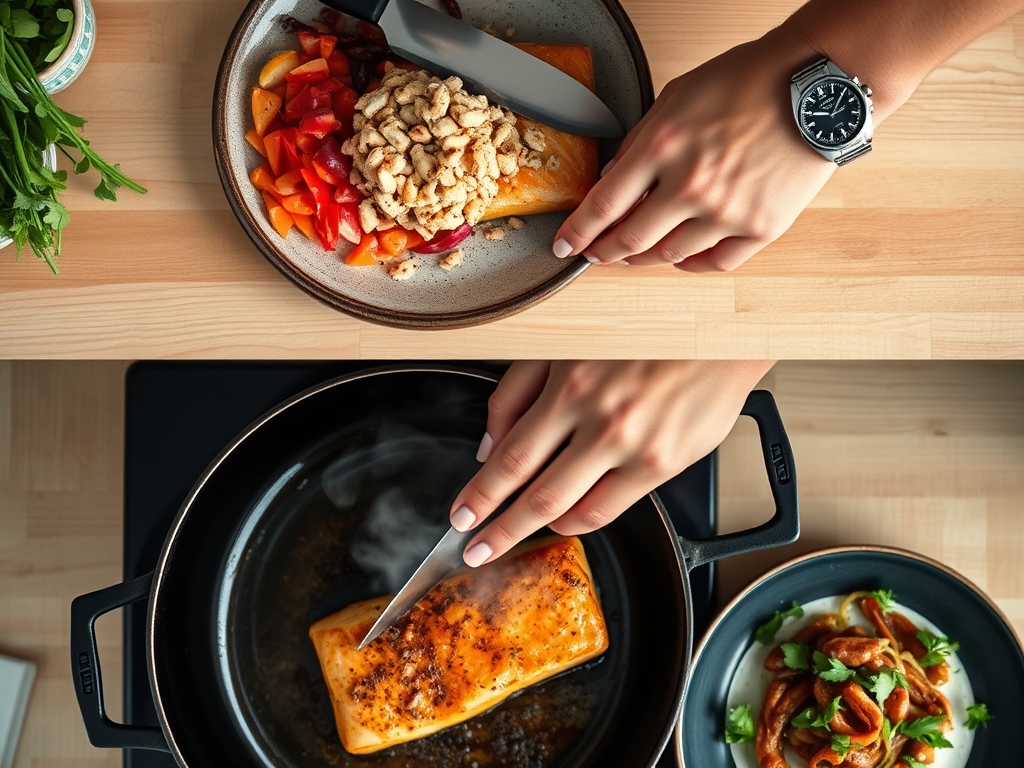
The Masterclass:
1. The Desiccation Ritual
Use a paper towel to press firmly onto the skin and flesh. Removing surface moisture allows the oil to sit directly on the proteins.
Pro Tip: This prevents the "steaming" effect. When water evaporates rapidly, it creates a layer of steam that prevents the fish from reaching the 285 degree Fahrenheit threshold required for enzymatic browning.
2. The Oil Emulsification
Drizzle a small amount of oil and massage it into the flesh using your fingers or a silicone brush. Ensure every crevice is coated to create a hydrophobic barrier.
Pro Tip: Oil acts as a heat conductor. By coating the fish, you ensure that the oven's convection currents transfer energy evenly across the irregular surface of the fillet.
3. The Salt Suspension
Season from at least twelve inches above the tray. This height allows the salt crystals to disperse evenly rather than clumping in one "hot spot" of flavor.
Pro Tip: Salt initiates denaturation. It begins to break down the tightly wound protein strands, allowing them to retain more moisture during the roasting process.
4. The Thermal Shielding
Place the salmon skin-side down on a preheated heavy-bottomed sheet pan or a heavy-bottomed skillet.
Pro Tip: The skin is composed of collagen. As it heats, the collagen begins to render and turn into gelatin, providing a moist buffer that protects the delicate flesh from the direct heat of the metal.
5. The Aromatic Infusion
Tuck your herbs and citrus slices underneath the edges of the fish.
Pro Tip: This creates a micro-environment of flavored steam. As the lemon releases its juices, the acid helps to infuse the fat-rich layers of the salmon with bright, top-note flavors.
6. The Precision Pull
Use a digital thermometer to check the internal temperature. Pull the fish when it hits 125 degrees Fahrenheit for medium-rare or 130 degrees Fahrenheit for medium.
Pro Tip: Thermal carryover is real. The internal temperature will continue to rise by 5 to 7 degrees after you remove it from the heat source.
7. The Rest and Recovery
Transfer the fillets to a warm plate using tongs or a fish spatula. Let them sit for three to five minutes.
Pro Tip: Resting allows the muscle fibers to relax and reabsorb the juices. If you cut into it immediately, the moisture will flood the plate, leaving the fish dry.
8. The Acidic Finish
Just before serving, hit the fish with a fresh squeeze of lemon or a dash of champagne vinegar.
Pro Tip: Bright acids cut through the heavy lipids (fats) of the salmon, providing a balanced mouthfeel and "cleansing" the palate between bites.
The Deep Dive:
When we look at the macro nutrition of this dish, we are seeing a powerhouse of 25g of protein and 12g of healthy fats per 4-ounce serving. It is naturally low-carb and high in Vitamin D and B12.
Dietary Swaps: For a Keto version, increase the fat by topping with a dollop of grass-fed herb butter. For a Vegan alternative, this same roasting method works beautifully with "tofu salmon" marinated in beet juice and liquid smoke. For GF diners, simply ensure your spices are certified gluten-free.
The Fix-It:
- White Stuff Appearing: This is albumin. Fix it by lowering your oven temp by 25 degrees next time or brining the fish in a salt solution for 10 minutes before cooking.
- Soggy Skin: You likely didn't pat it dry enough. Use a bench scraper to remove any excess moisture from the skin side before it hits the pan.
- Sticking to the Pan: You aren't using enough fat or the pan wasn't hot enough. Always preheat your tray.
Meal Prep: To reheat without losing quality, avoid the microwave. Place the salmon in a covered dish with a tablespoon of water and heat in a 300 degree Fahrenheit oven for 8 minutes. This gently re-hydrates the proteins.
The Wrap-Up:
You are now officially a master of healthy salmon recipes oven edition! By treating your kitchen like a laboratory and your ingredients with respect, you have unlocked the secret to perfect, flaky fish every single time. Remember, cooking is as much about the tools you use, like that trusty microplane or saucier, as it is about the heat. Go forth, experiment with your aromatics, and enjoy the most delicious, nutrient-dense meal of your week. You have got this!
The Kitchen Table:
How do I tell if salmon is done without a thermometer?
Gently press the top of the fillet with a fork. If the flesh flakes easily along the natural white lines (the fat layers), it is ready. The center should still look slightly translucent.
Why is my salmon always dry?
You are likely overcooking it or skipping the resting phase. Remember that thermal carryover adds significant heat after the fish leaves the oven. Pull it early and let it rest for five minutes.
Can I bake salmon from frozen?
Yes, but for the best texture, thaw it in the fridge overnight. If cooking from frozen, brush with oil and bake at a lower temperature to ensure the center cooks before the outside burns.
Should I leave the skin on?
Absolutely. Even if you do not plan to eat it, the skin acts as an insulator. It prevents the delicate flesh from drying out against the hot surface of your baking sheet.