
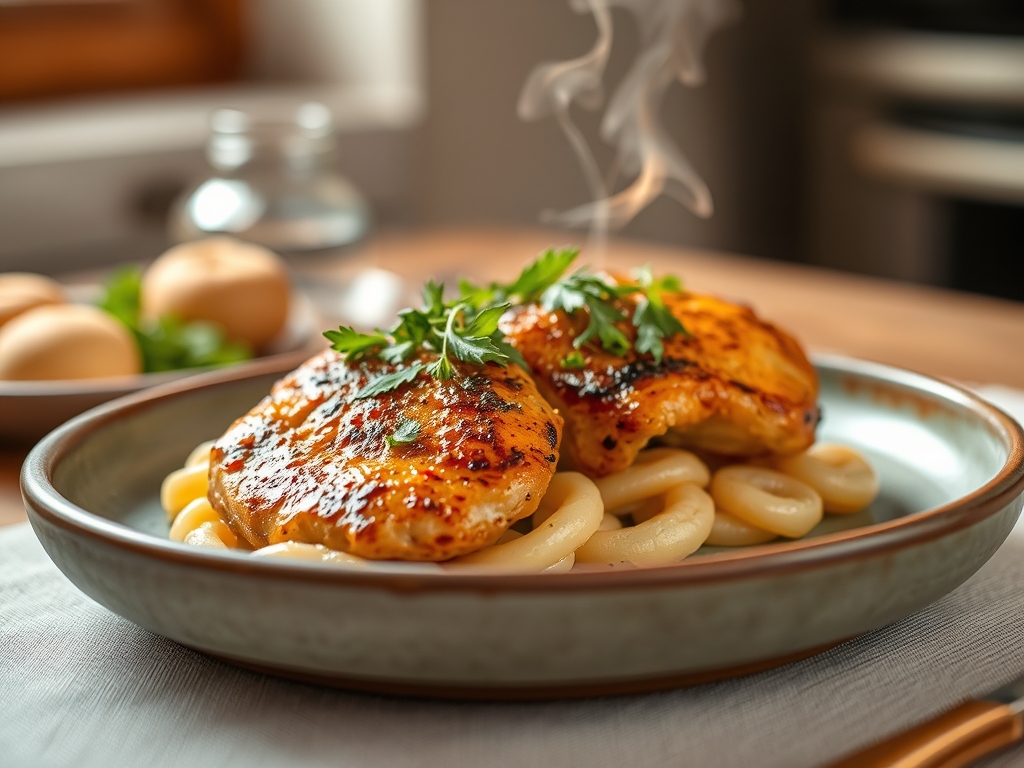
Imagine the scent of searing poultry hitting a hot heavy-bottomed skillet; it is that unmistakable chemical transition where proteins transform into golden, savory gold. Recreating hello fresh chicken recipes at home is not just about convenience; it is about mastering the art of the weeknight hustle without sacrificing the sophisticated depth of a restaurant kitchen. We are diving into nine iconic profiles today.
The secret to these meals is the balance of piquant acids and rich fats. Whether you are craving the zing of a balsamic glaze or the creamy comfort of a pan sauce, the foundation remains the same. We are going to deconstruct the mechanics of these kits so you can replicate that signature brightness and crunch whenever the craving strikes. No subscription required; just pure culinary intuition.
The Gathers:
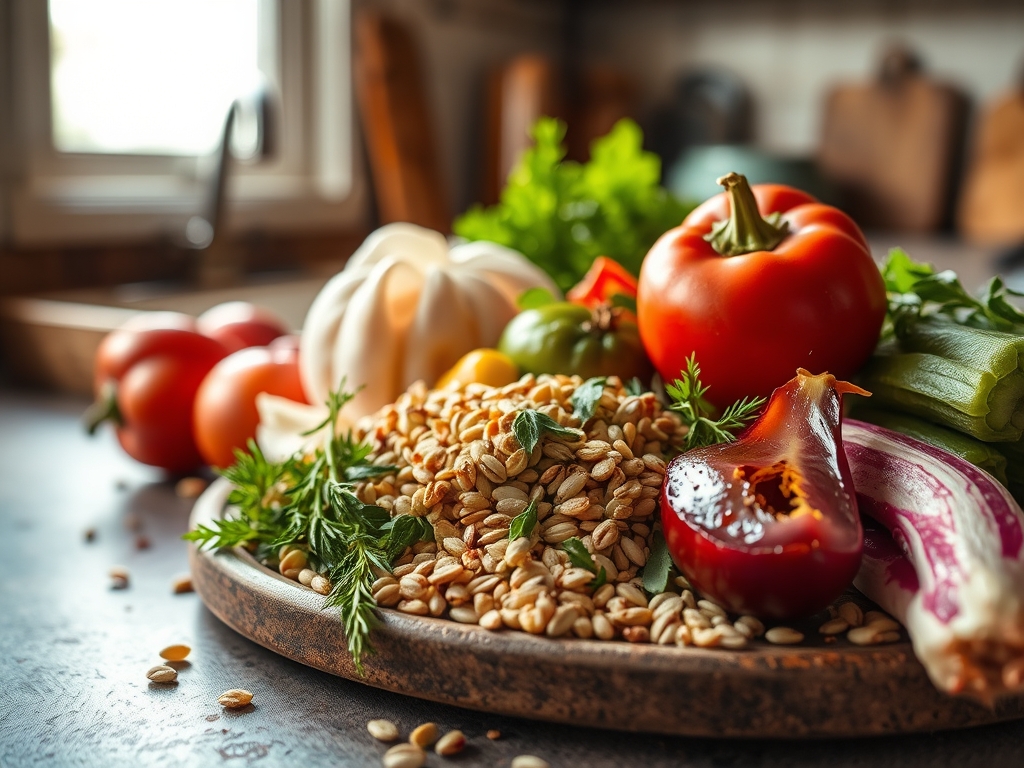
To achieve that specific Hello Fresh profile, your mise-en-place must be precise. Start with high-quality chicken breasts or thighs; moisture content is key here. You will need aromatics like shallots and garlic, but the real magic lies in the concentrated bases. Stock concentrates (like Better Than Bouillon) are the secret to that viscous, lip-smacking mouthfeel in their sauces. Keep a microplane handy for zesting lemons and grating fresh ginger; these volatile oils provide the high notes that cut through the salt.
Smart Substitutions are your best friend for versatility. If a recipe calls for a specific spice blend like Southwest or Tuscan Heat, you can replicate these using a digital scale to balance cumin, paprika, and oregano. Swap heavy cream for a dollop of Greek yogurt if you want a lighter tang, or use a cornstarch slurry instead of a flour roux to keep things gluten-free while maintaining a glossy sheen.
The Clock:
Efficiency in the kitchen is governed by what I call the Chef's Flow. Most hello fresh chicken recipes are engineered for a thirty to forty-minute window. The first ten minutes are purely mechanical: washing produce, dicing vegetables with a sharp chef's knife, and patting the chicken dry. Drying the protein is non-negotiable; surface moisture is the enemy of the Maillard reaction.
The middle twenty minutes are the active cooking phase. You are managing heat zones, flipping proteins with tongs, and monitoring the reduction of your liquids. The final five minutes are reserved for the rest. Resting the meat allows the muscle fibers to relax and reabsorb juices. If you cut into a breast the second it leaves the heat, you lose that moisture to the cutting board.
The Masterclass:
1. Prep and Sear
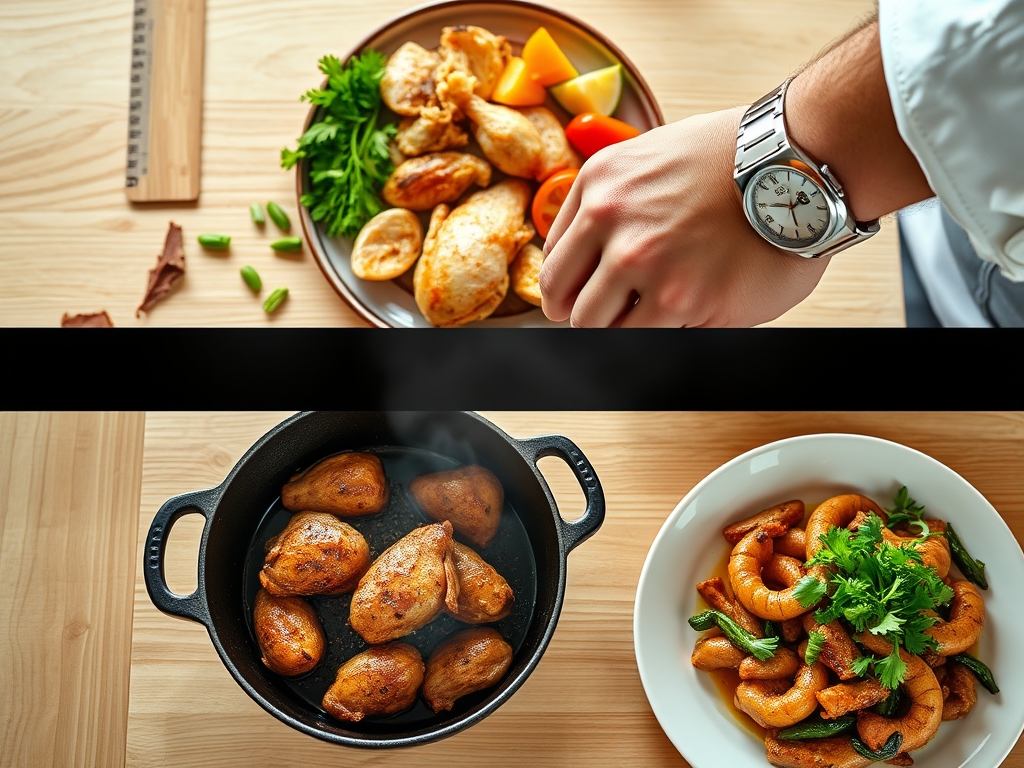
Begin by seasoning your chicken liberally with kosher salt. Heat a drizzle of oil in your skillet over medium-high heat until it shimmers. Place the chicken in the pan and leave it alone.
Pro Tip: This is the Maillard reaction in action. Resist the urge to move the meat. The chicken will naturally release from the pan once a caramelized crust has formed, ensuring maximum flavor development through amino acid rearrangement.
2. The Vegetable Roast
While the chicken sears, toss your sides (like carrots or potatoes) in oil and salt on a baking sheet. Roast at 425 degrees Fahrenheit until tender.
Pro Tip: Use a dark metal baking sheet to encourage conduction. The dark surface absorbs more thermal energy, leading to better browning on the side of the vegetable touching the pan.
3. Deglaze the Pan
Once the chicken is cooked through (165 degrees Fahrenheit), remove it to a plate. Add a splash of water, stock, or wine to the hot skillet, scraping up the brown bits with a wooden spoon.
Pro Tip: Those brown bits are called fond. Deglazing incorporates these concentrated protein particles back into your sauce, providing a complex, savory base that water alone cannot replicate.
4. Build the Emulsion
Lower the heat and whisk in your aromatics, followed by a fat source like butter or cream. Whisk vigorously until the sauce thickens and coats the back of a spoon.
Pro Tip: You are creating a stable emulsion. By whisking cold butter into a warm liquid, the milk solids disperse evenly, creating a glossy, silky texture rather than a greasy separation.
5. The Acid Finish
Just before serving, squeeze fresh lemon juice or stir in a teaspoon of vinegar. This is the hallmark of hello fresh chicken recipes.
Pro Tip: Acid acts as a flavor enhancer. It brightens the dish by balancing the heavy fats and salt, stimulating your salivary glands and making the other flavors "pop" on your palate.
The Deep Dive:
When we look at the macro nutrition of these meals, they typically hover between 600 and 800 calories. Most of this comes from the balance of lean protein and complex carbohydrates. To make these Keto-friendly, simply swap the potatoes or rice for riced cauliflower or extra greens. For a vegan twist, firm tofu or chickpeas can be treated with the same searing and glazing techniques used for the chicken.
The Fix-It: If your sauce is too thin, do not panic. Simmer it longer to evaporate excess water, or whisk in a tiny bit of flour. If your chicken is dry, you likely overshot the internal temperature; next time, pull it at 160 degrees and let thermal carryover do the rest of the work. If your vegetables are soggy, ensure you are not crowding the pan. Overcrowding traps steam, which boils the food instead of roasting it.
For meal prep, reheating is a science. To maintain "day-one" quality, avoid the microwave if possible. Reheat your chicken in a covered skillet with a tablespoon of water. This creates a steam chamber that prevents the protein from becoming rubbery. If you must use a microwave, use 50 percent power to gently agitate the water molecules without denaturing the proteins too quickly.
The Wrap-Up:
Mastering hello fresh chicken recipes at home is the ultimate kitchen power move. It combines the structured logic of a laboratory with the creative soul of a bistro. By understanding the "why" behind the sear and the "how" of the emulsion, you are no longer just following a recipe; you are conducting a symphony of flavor. Now, grab your tongs and get to work. Your kitchen is about to smell incredible.
The Kitchen Table:
How do I get the chicken extra crispy?
Pat the chicken completely dry with paper towels before seasoning. Use a heavy-bottomed skillet and do not crowd the pan. This allows moisture to escape as steam rather than trapping it, which ensures a firm, golden-brown crust through the Maillard reaction.
Can I use chicken thighs instead of breasts?
Absolutely. Thighs have more connective tissue and fat, making them more forgiving and flavorful. Increase the cooking time slightly to ensure the fat renders properly. They are ideal for recipes involving long simmers or high-heat roasting without drying out.
What is the best way to zest a lemon?
Use a microplane or a fine grater. Only grate the yellow outer layer, known as the flavedo, which contains the aromatic oils. Avoid the white pith underneath; it is incredibly bitter and will ruin the delicate balance of your sauce.
Why did my cream sauce break?
Sauces usually break if the heat is too high or if you add cold dairy too quickly to a boiling liquid. To fix it, remove the pan from the heat and whisk in a teaspoon of warm water to re-emulsify the fats.