
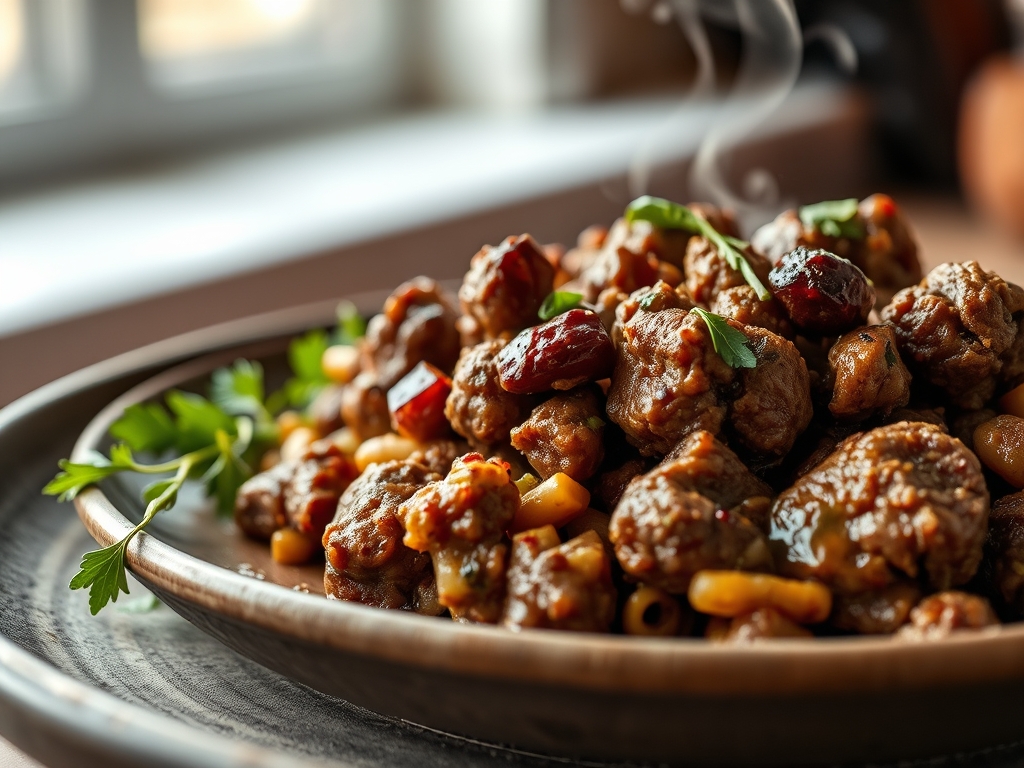
Imagine the sharp hiss of a heavy-bottomed skillet meeting cold protein; it is the sound of a transformation that turns humble ingredients into a nutritional powerhouse. Finding low calorie high protein ground beef recipes that actually taste like a luxury meal requires more than just luck. It requires a fundamental understanding of how to balance lean lipids with high-impact aromatics. We are going beyond the basic burger to explore ten sophisticated, high-density meals that prioritize muscle synthesis without the heavy caloric load.
We often think of beef as a heavy indulgence, but when you select a 93/7 or 96/4 lean-to-fat ratio, you are working with a canvas of pure amino acids. The challenge lies in moisture retention. Because lean beef lacks the insulating fat of its fattier counterparts, we must use specific culinary techniques to keep the texture supple rather than chalky. Today, we are mastering the art of the sear, the science of the deglaze, and the magic of volume-heavy vegetables to create meals that satisfy the soul and the scale.
The Gathers:
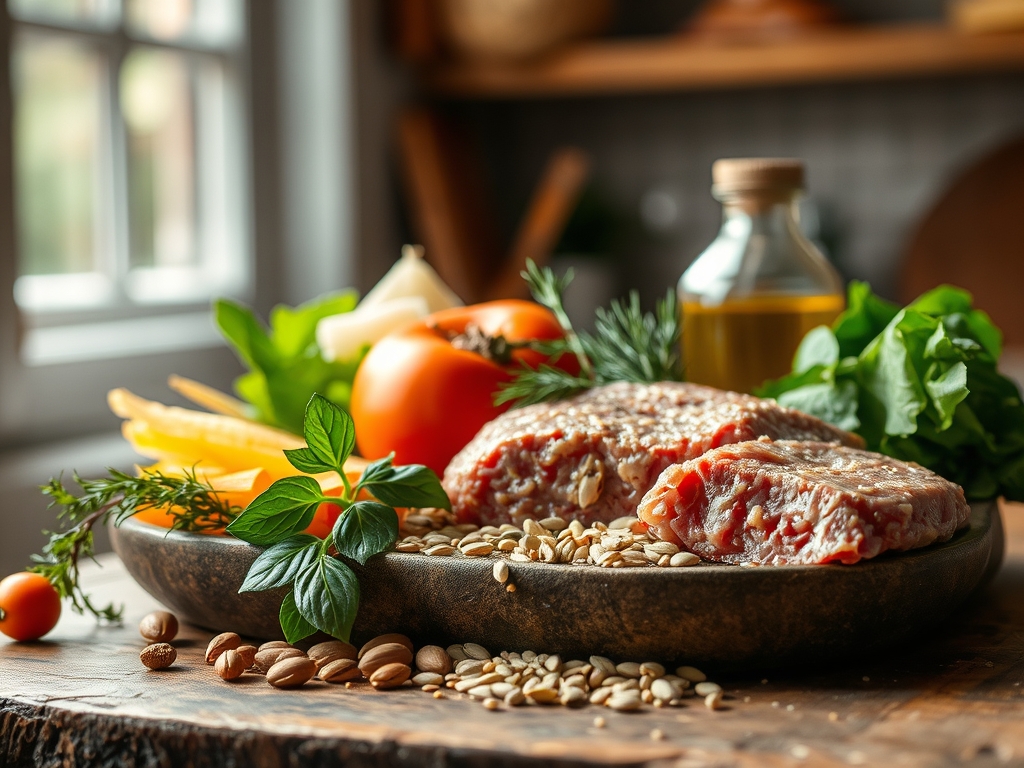
To execute these ten variations, your mise-en-place must be precise. Start with your primary protein: extra-lean ground beef. To ensure the beef does not clump into unappealing pebbles, use a bench scraper to portion it while cold. You will need a variety of aromatics to provide a piquant base without adding oil. Think of shallots, garlic, and ginger as your flavor foundation.
For our Smart Substitutions, we are swapping traditional binders like breadcrumbs for high-fiber alternatives like grated zucchini or finely minced mushrooms. This is a technique known as "The Blend," which utilizes the hygroscopic nature of fungi to hold onto moisture that the beef would otherwise lose during the rendering process. Keep your digital scale handy; precision is the difference between a 400-calorie masterpiece and a 700-calorie mistake. You will also need a microplane for zesting citrus and grating aromatics into a fine paste, ensuring they distribute evenly through the muscle fibers.
The Clock:
Efficiency in the kitchen is about "Chef's Flow." This means grouping your tasks by heat level and tool usage. Total preparation for these ten meals averages 20 minutes of active knife work, while cook times range from 12 to 15 minutes per batch. By utilizing a large saucier or a wide cast-iron pan, you increase the surface area for evaporation, which speeds up the reduction of sauces.
The goal is to minimize the time the beef spends under direct thermal stress. We utilize a high-heat sear followed by a low-heat infusion. If you are meal prepping all ten portions at once, expect a 90-minute session. This includes the time needed for the protein to reach room temperature before hitting the pan, which prevents the muscle fibers from seizing and becoming tough.
The Masterclass:
1. The Maillard Sear
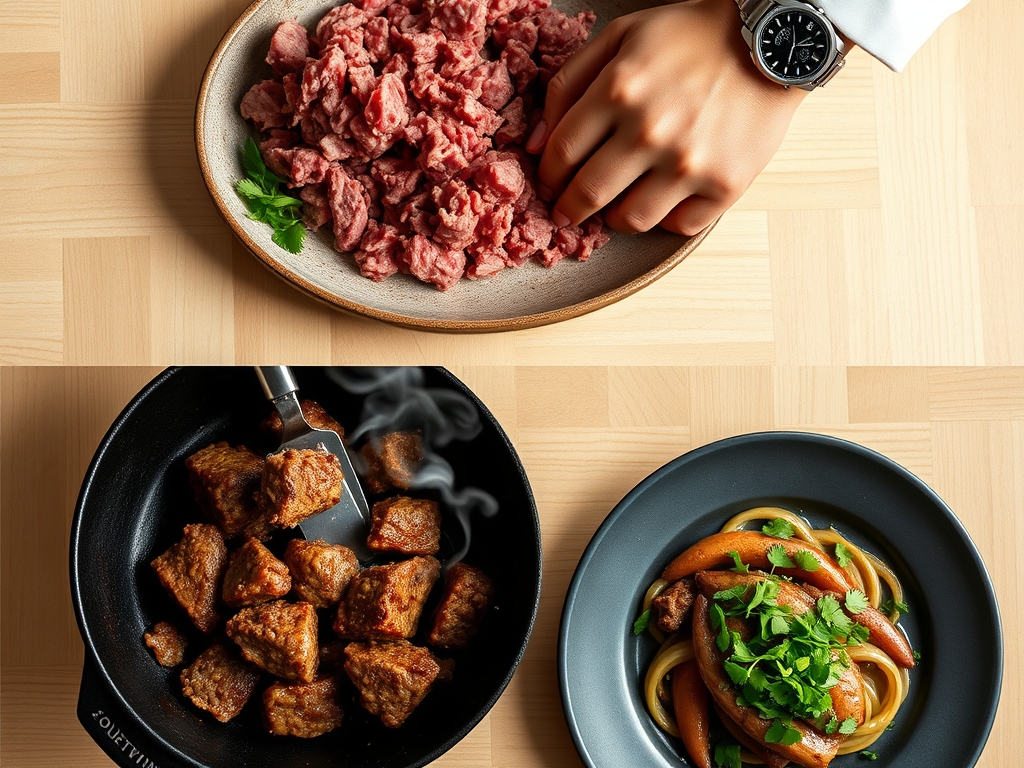
Place your skillet over medium-high heat until it reaches the smoke point of your chosen spray. Add the beef in a single, flat layer. Do not move it for at least three minutes. This allows the Maillard reaction to occur, creating a complex crust of rearranged sugars and amino acids.
Pro Tip: This chemical reaction only happens when moisture is absent. Pat your beef dry with a paper towel before cooking to ensure you are searing, not steaming.
2. Deglazing for Depth
Once the beef is browned, a brown film called "fond" will form on the bottom of the pan. Pour in a splash of beef bone broth or a piquant vinegar. Use a wooden spoon to scrape those caramelized bits back into the meat.
Pro Tip: Deglazing uses solvent extraction to pull concentrated flavor molecules from the pan surface and redistribute them into the protein.
3. Incorporating the Volume
Add your high-volume vegetables like shredded cabbage, bell peppers, or riced cauliflower. These ingredients add bulk and micronutrients without significantly shifting the caloric density.
Pro Tip: Use the sweating technique by adding a pinch of salt to the vegetables; this draws out cellular water through osmosis, allowing them to soften in their own juices.
4. Emulsifying the Sauce
Lower the heat and add your liquid components, such as coconut aminos or a reduced tomato paste. Stir vigorously to create a viscous emulsion that coats the beef without requiring heavy creams or butter.
Pro Tip: Starch-based thickeners are avoided here; instead, we rely on the reduction of liquids to concentrate natural pectins and proteins for a glossy finish.
5. The Final Infusion
Turn off the heat and toss in fresh herbs like cilantro, basil, or parsley. The residual heat is enough to release the volatile oils without destroying the delicate flavor compounds.
Pro Tip: This utilizes thermal carryover, where the internal temperature of the food continues to rise slightly even after being removed from the heat source.
The Deep Dive:
When we look at the macro nutrition of these meals, we are aiming for a ratio of approximately 40 grams of protein to 12 grams of fat and 10 grams of carbohydrates. This high-protein ceiling ensures maximum satiety. For those with specific dietary needs, these recipes are incredibly flexible. Keto followers can swap the root vegetables for extra leafy greens, while Vegan guests can substitute the beef for a pea-protein crumble, though the fat content may need adjustment to mimic the beef's mouthfeel.
The Fix-It: Common Pitfalls
- The Gray Meat Syndrome: This happens when the pan is overcrowded. The moisture released from the meat has nowhere to go, so it boils the beef. Fix: Cook in batches or use a larger pan.
- The Dry Texture: Lean beef dries out quickly. Fix: Add a tablespoon of tomato sauce or Greek yogurt at the very end to provide a creamy, moisture-locking barrier.
- Lack of Flavor: Low-calorie often means low-salt. Fix: Use acid like lime juice or rice vinegar to brighten the flavors without adding sodium or calories.
For meal prep, reheating science is key. To maintain "day-one" quality, reheat your beef in a pan with a tablespoon of water covered by a lid. This creates a steam chamber that rehydrates the protein fibers rather than drying them out in the microwave.
The Wrap-Up:
Mastering low calorie high protein ground beef recipes is a game-changer for anyone looking to optimize their physique without sacrificing the joy of a savory meal. By focusing on the chemistry of the sear and the strategic use of high-volume aromatics, you turn a simple ingredient into ten distinct, gourmet experiences. Grab your tongs and your favorite skillet; it is time to prove that "diet food" can be the most flavorful part of your day.
The Kitchen Table:
How do I keep lean ground beef from getting dry?
Use "The Blend" method by mixing in finely minced mushrooms or zucchini. These vegetables release moisture during cooking, which the lean muscle fibers absorb. Additionally, avoid overcooking by using a digital thermometer to pull the beef at 160 degrees Fahrenheit.
Can I freeze these high-protein meals?
Yes, ground beef dishes freeze exceptionally well. Ensure the meal is completely cool before sealing in an airtight container to prevent ice crystal formation. When ready to eat, thaw in the refrigerator overnight to preserve the structural integrity of the protein.
What is the best way to add flavor without calories?
Focus on aromatics and acids. Fresh ginger, garlic, and scallions provide intense flavor for negligible calories. Finish your dish with a squeeze of fresh citrus or a splash of high-quality vinegar to "awaken" the taste buds and balance the richness.
Why is my ground beef clumping together?
Clumping occurs when proteins bond too quickly in a cold pan. Start with a hot skillet and use a stiff spatula or bench scraper to break the meat into small fragments immediately upon contact with the heat to ensure even browning.